
Christo Peev: Building Impact Through Technology
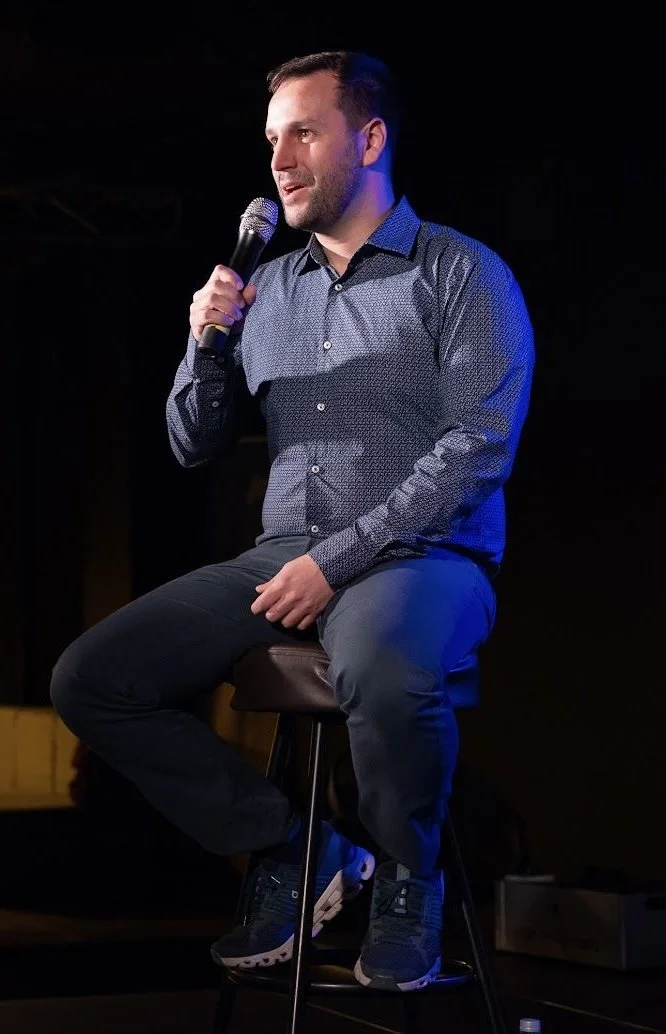
Christo Peev
Christo Peev is a Bulgarian technology entrepreneur, investor, and product builder focused on building companies that create lasting economic and social value. Working across AI, FinTech, and the Future of Work, he is the founder of Motion Software, acquired by Exadel in 2022, and Space Tree, a venture studio building and investing in technology-driven companies.
Today, Christo is building The Pine, an AI platform for company retreats and community management, while supporting founders and contributing to the development of Eastern Europe’s technology ecosystem. His work is grounded in a broader belief that technology, entrepreneurship, and access to opportunity can work together to create meaningful, scalable impact.
“The strongest solutions usually give people ownership, agency, and the ability to contribute to the system themselves.”
Christo, tell us about how your work intersects with the impact space.
I am a Bulgarian technology entrepreneur, technical founder, product builder, and investor, and the founder of Space Tree, a venture studio focused on building and investing in companies across AI, FinTech, HRTech, blockchain, and the Future of Work.
My work has always been closely connected to nurturing talent and expanding access to opportunity. I founded Motion Software in 2015 and built a remote talent platform and professional community that helped thousands of junior specialists develop practical skills, enter the technology industry, and work with companies such as VMware, BNP Paribas, FactSet, Fidelity, and the Financial Times. Motion Software grew rapidly for seven consecutive years before Exadel acquired it in 2022.
Today I work hands-on across software product development, company building, fundraising, and growth, including ventures such as The Pine in the Future of Work.
I also founded DEA Accelerate, an accelerator supporting female entrepreneurs in Bulgaria. For me, entrepreneurship and impact are closely connected. Strong companies create jobs, develop talent, transfer knowledge, strengthen local economies, and give more people the ability to shape their own future.
What is your own definition of impact?
Impact is a measurable improvement in people’s ability to live, work, create, and build a life grounded in peace, love, and prosperity.
Christo, what do you see as the most important issue to address in the next 10 years?
I believe one of the most important challenges of the next ten years is making clean energy abundant and affordable.
Cheap, reliable energy is a foundation for almost everything else. It can lower the cost of food, transport, manufacturing, housing, computing, and access to clean water. It can also reduce dependence on scarce resources and create greater economic prosperity across the world.
If we can dramatically reduce the cost of clean energy, I believe we can solve or significantly reduce many of humanity’s biggest problems.
What is the greatest challenge you face to scale your impact?
The biggest challenge is bringing the right people together around the ideas that can genuinely change our lives.
Talent, capital, technology, research, and ambition often exist, but remain disconnected. I believe progress happens much faster when founders, scientists, investors, companies, and communities align around a shared mission and have the resources to execute it at scale.
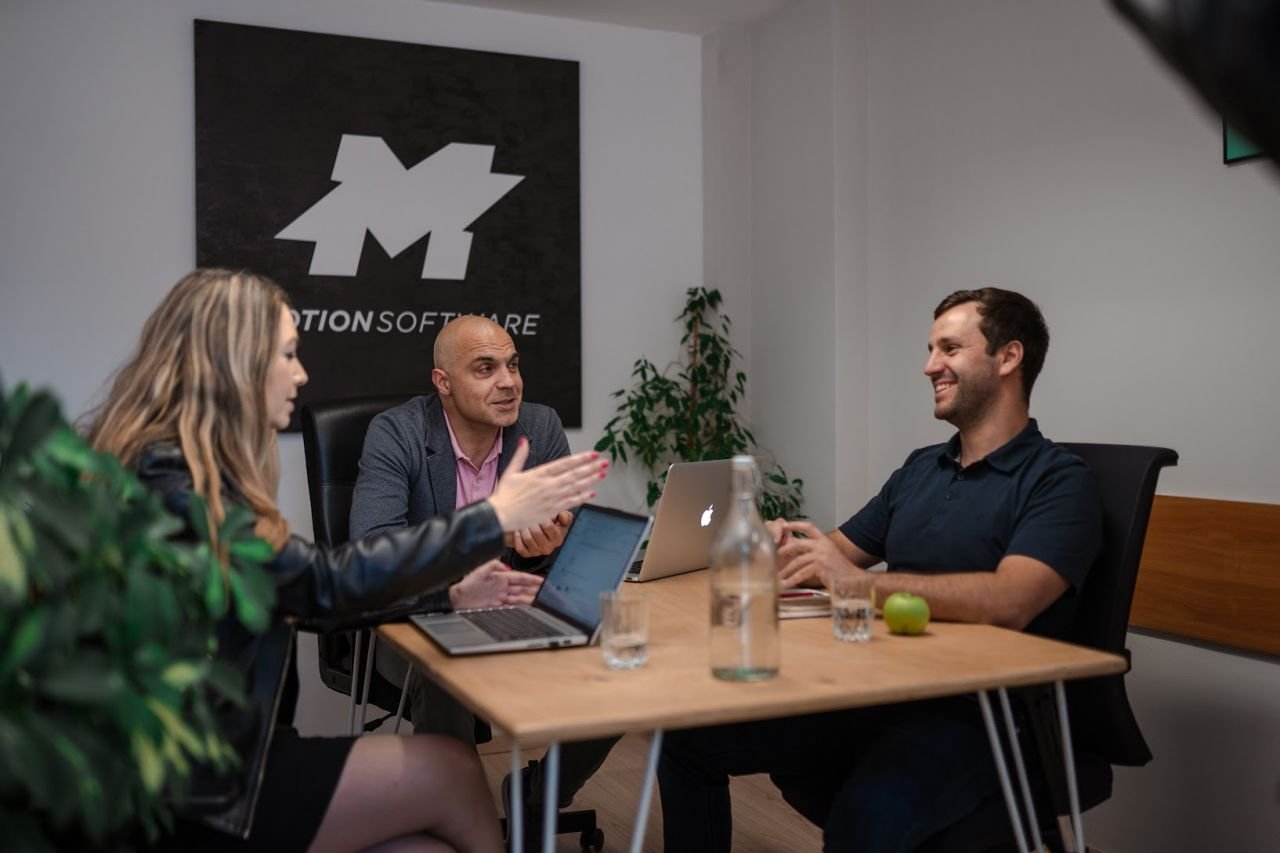
“I believe progress happens much faster when founders, scientists, investors, companies, and communities align around a shared mission.”
Christo, what is your long-term vision, and how do you measure & quantify your impact?
My long-term vision is to build companies and communities that bring exceptional people together around ideas that can improve our lives. I want to prove that globally important technology companies can be built from Eastern Europe while creating opportunities for the people and ecosystem around them. I measure impact through people empowered, careers created, companies built, jobs created, capital attracted, and ultimately how many of those people go on to create positive change themselves.
What are some misconceptions you’ve noticed regarding what “impact” is all about?
One misconception is that impact and commercial success are separate goals. In many cases, the most scalable impact models are businesses whose economics become stronger as more people benefit from the product or service.
A second misconception is that impact must always be immediate and easy to communicate. Some of the most meaningful outcomes take years. Training a junior software engineer may initially look like a career development activity. Ten years later, that person may be leading a team, founding a company, employing dozens of people, or mentoring the next generation.
I have also seen impact reduced to reporting metrics that are easy to count but do not always reflect real change. Numbers matter, but context matters too. It is useful to know how many people joined a program, but even more useful to understand how many found jobs, created companies, raised capital, increased their income, or became mentors themselves.
Finally, impact is sometimes treated as something created for communities rather than with them. The strongest solutions usually give people ownership, agency, and the ability to contribute to the system themselves.
Get Involved
Interested in connecting with our private global network of investors, founders, and experts building real, scalable solutions? Learn more and apply to join the Top Tier Impact Network and access future convenings, collaborations, and deal flow.