
Data, Governance, and Regeneration: Rethinking How Impact Is Created with Yves Carnazzola.
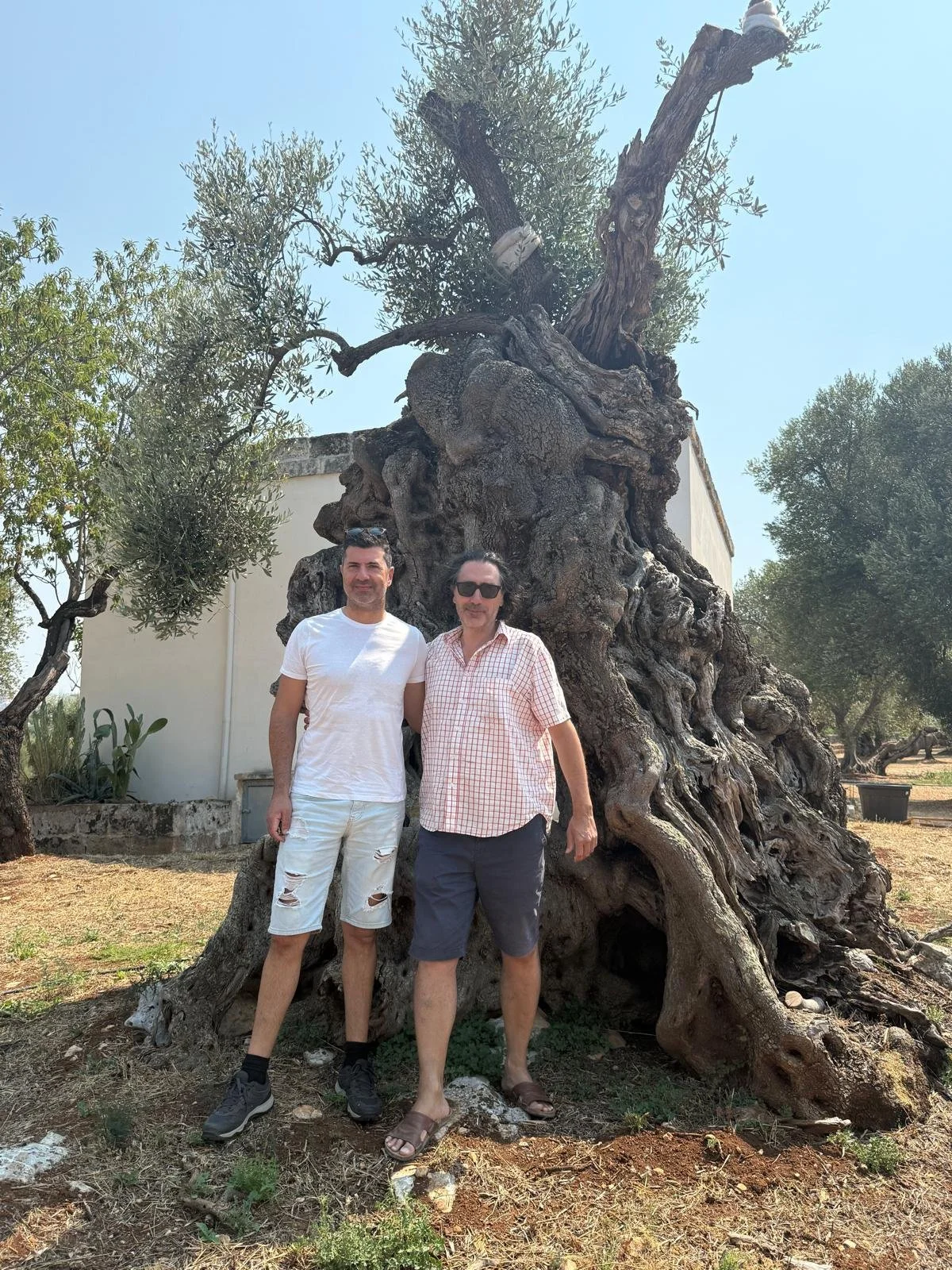
Yves Carnazzola
Yves Carnazzola is a social entrepreneur and systems thinker working at the intersection of regenerative finance, digital commons, and governance. He focuses on redesigning how capital, data, and decision-making systems operate to support long-term wellbeing for communities and ecosystems rather than extractive outcomes.
Through his work on coOwn, Yves is building a regenerative digital commons that brings together systemic investing, polycapital flows, data sovereignty, and polygovernance. His mission is to help communities, innovators, and investors collaborate more coherently, turning relational intelligence into real-world regenerative impact at scale.
“Impact is intentional action that increases the coherence, vitality, and long-term wellbeing of a system and all who depend on it.”
Yves, tell us about how your work intersects with the impact space.
I work on coOwn, a regenerative digital commons that brings systemic investing, polycapital flows, polygovernance, data sovereignty, and stewardship into one coherent ecosystem, helping communities, innovators, and investors collaborate in a way that turns relational intelligence into real-world regenerative impact.
What is your own definition of impact?
Impact, for me, is intentional action that increases the coherence, agency, and long-term wellbeing of a system and all who depend on it.
Yves, what do you see as the most important issue to address in the next 10 years?
We urgently need to rebuild trustworthy, community-rooted coordination systems that replace extraction with regeneration and allow people and ecosystems to thrive together.
What is the greatest challenge you face to scale your impact?
A major challenge is that the impact sector still struggles with weak capacity building, fragmented local knowledge, outdated linear value chains, and financial models that have not yet shifted toward polycapital, while systemic investors and human–agentic AI remain under-integrated, slowing our ability to unlock regenerative flows instead of repeating extractive ones.
“Impact is not something you deliver through isolated projects or glossy metrics. It is a systemic shift co-created through healthier relationships, stewardship, and regenerative feedback loops.”
Yves, what is your long-term vision and how do you measure & quantify your impact?
Our long-term vision is to establish coOwn as a digital commons stewarded by a Stakeholder Foundation, where individuals and communities exercise sovereign co-governance over their data, knowledge, and resources. We measure impact by the number of humans achieving data sovereignty, the expansion of stewardship-driven polycapital regenerative flows, and the extent to which real-world decisions are enhanced through the human–agent AI binôme.
What are some misconceptions you’ve noticed regarding what “impact” is all about?
A common misconception is that impact is about isolated projects, glossy metrics, or carbon accounting, when in reality it’s a systemic shift that demands intentionality, long-term stewardship, data sovereignty, and changes in how communities, capital, and governance relate to one another; impact isn’t something you “deliver,” it’s something you coCreate through healthier relationships and regenerative feedback loops.
Get Involved
Interested in connecting with our private global network of investors, founders, and experts building real, scalable solutions? Learn more and apply to join the Top Tier Impact Network and access future convenings, collaborations, and deal flow.