
From Waste to Strategic Materials: How Tyler Wood Is Rewiring Circular Manufacturing
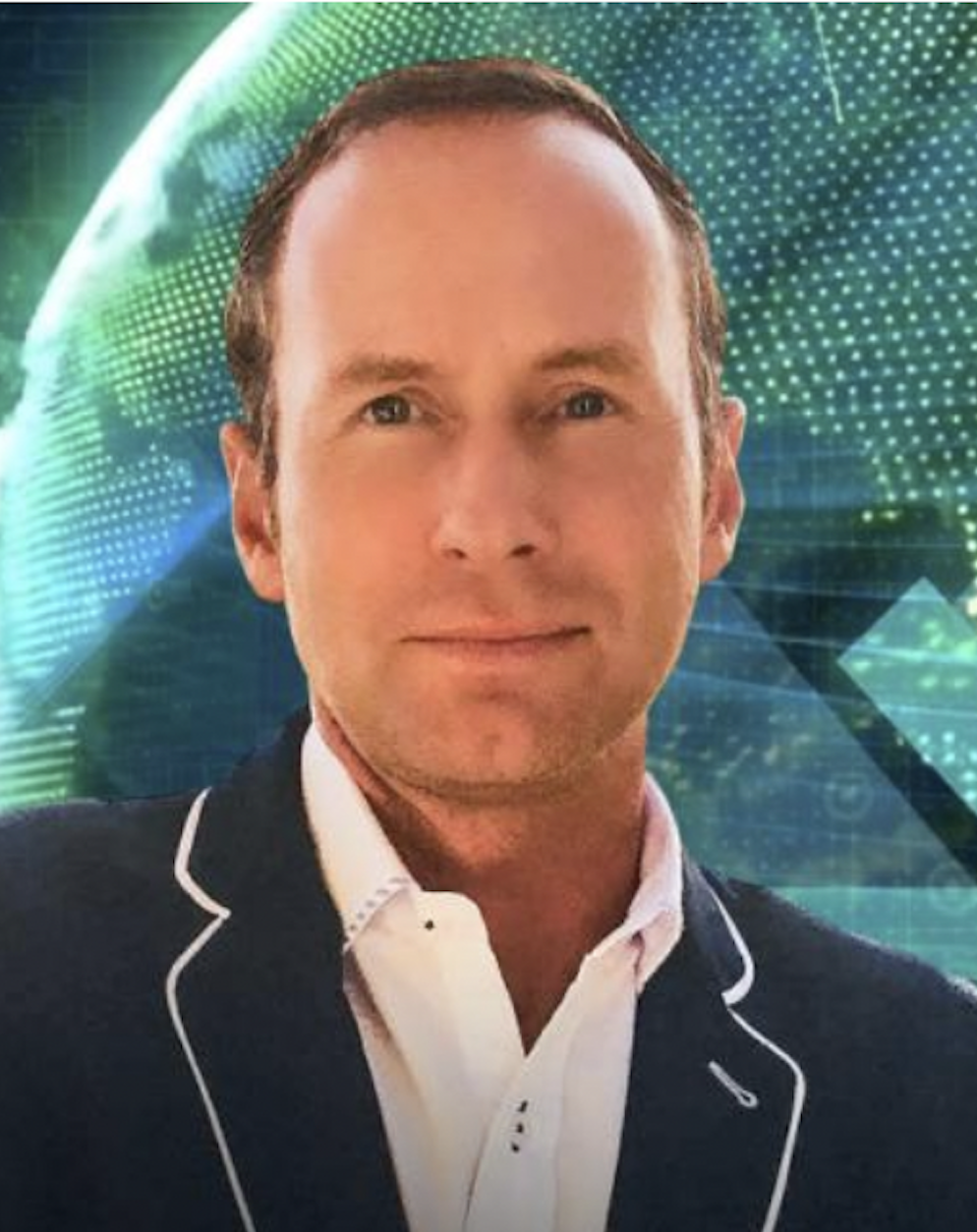
Tyler Wood
Tyler Wood is a seasoned financial professional with a distinguished 20-year career in the hedge fund industry, who now serves as the Vice President of Circularity at Carbotura. In this role, he focuses on driving business development around Carbotura's pioneering advanced circular manufacturing, specializing in the production of critical renewable nano-materials, and advanced carbon manufacturing with the goal of achieving 100% circularity for local and regional economies.
Known for his personable and engaging communication style, Tyler has a talent for inspiring and motivating people to work together towards common goals. His leadership and interpersonal skills have been key to his success in driving results and building strong relationships with clients and colleagues alike. These qualities, honed over his extensive career, are now being applied to the critical task of advancing sustainability and circular economy initiatives.
“Impact is not a report. It is a contract. When environmental outcomes, economic returns, and supply security are locked together for 30 years, impact becomes permanent.”
Tyler, tell us about how your work intersects with the impact space.
Carbotura: Advanced Circular Manufacturing & Impact
Carbotura manufactures federally classified strategic materials—battery-grade synthetic graphite, hydrogen, rare earth elements, and industrial gases—from municipal and industrial feedstock through 400 TPD Regenesis Centres under 30-year sovereign-backed Circular Offtake Agreements.
The Impact Intersection:
The municipality pays a TMC Fee to deliver feedstock; Carbotura sells all manufactured outputs at commodity prices, creating seven independent revenue streams with a contracted floor from Day 1. This inverts the waste economics entirely: someone else's liability—the feedstock—becomes Carbotura's revenue stream, and the municipality receives a Circular Royalty™ from downstream manufacturing revenue.
Scale & Strategic Impact:
The global waste crisis represents $3 trillion in raw material value destroyed annually, with only 8.6% of the global economy currently operating circularly. Over 70% of the synthetic graphite supply and 80% of the rare earth supply currently originate from China; Carbotura's facilities convert domestically available post-consumer feedstock into these materials at 97% lower energy intensity than virgin production.
The Business Model:
Carbotura operates under a BOO (Build-Own-Operate) model with zero capital risk to feedstock suppliers. Each facility targets $165M full run-rate revenue with 57.9% EBITDA margins and a 46% equity IRR. This represents manufacturing-grade economics applied to the circular economy—not waste management rebranded, but a genuinely new industrial category that simultaneously solves environmental and national security challenges.
What is your own definition of impact?
Carbotura's impact = systematic value recovery: converting $3T in annually destroyed feedstock into strategic materials, transforming municipal liabilities into 30-year revenue streams, and replacing geopolitically constrained supply chains with domestic production—all locked under sovereign-backed Circular Offtake Agreements.
Tyler, what do you see as the most important issue to address in the next 10 years?
The most pressing issue is the circularity gap masquerading as a solved problem.
Only 8.6% of the global economy operates circularly today, yet the waste management industry—which controls the feedstock—is optimised to monetise destruction, not recovery. The infrastructure is backwards. We have landfills, incinerators, and incremental recycling programs all designed to preserve a disposal model. Each "improvement" strengthens the system that failed.
The misconception is that the problem is technological. It isn't. The waste management industry does not have a bad solution—it is the problem. And because it controls the feedstock supply chain, it has a structural incentive to resist replacement.
What is the greatest challenge you face to scale your impact?
Over the next 10 years, the critical issue is architecture replacement, not technology adoption. Moving from a system where municipalities pay to destroy materials to one where they profit from recovery requires simultaneous shifts in contract structures, regulatory classification, capital formation, and incumbent incentives. Carbotura's approach—repositioning waste operators as feedstock suppliers rather than adversaries—hints at this, but scaling it requires the entire investment ecosystem to recognise that circularity is an infrastructure category, not a cleantech bet.
The 10-year window is about whether we can systematically replace the disposal paradigm before path dependency locks it in further.
“The waste management industry does not have a bad solution. It is the problem. The entire system is optimised to monetise destruction instead of recovery.”
Tyler, what is your long-term vision and how do you measure & quantify your impact?
Carbotura's vision: Manufacturing made waste disposal economically obsolete
What are some misconceptions you’ve noticed regarding what “impact” is all about?
Here are the core misconceptions about impact that Carbotura's framework directly contradicts:
Misconception 1: Impact = Environmental Compliance Most impact narratives focus on carbon avoided or waste diverted—metrics that disappear if the program ends. Carbotura's impact is structural: the 30-year Circular Offtake Agreement locks environmental outcome, economic return, and supply security simultaneously. Impact is not a report—it's a contract.
Misconception 2: Impact Requires Subsidy The dominant model treats circular economy as a cost center requiring government support or consumer premium acceptance. Carbotura inverts this: municipalities pay a TMC Fee to deliver feedstock, and Carbotura sells all manufactured outputs independently at commodity prices, creating seven revenue streams with a contracted floor from Day 1. The economics work because they're based on manufacturing, not waste management.
Misconception 3: Impact & Returns Are Opposed ESG positioning frames impact as a margin sacrifice. Carbotura achieves 57.9% EBITDA margins and 46% equity IRR precisely because impact is the business model, not a constraint on it. The feedstock is free; the outputs are in undersupplied strategic materials markets. Returns and impact compound together.
Misconception 4: Scale Requires Dilution Companies typically sacrifice impact intensity to achieve volume. Carbotura's DFM replication model means each facility deployed makes every subsequent facility cheaper, faster, and easier to insure—compounding both operational intelligence and impact per dollar deployed.
Impact for Carbotura is permanent, profitable, and measurable in 30-year contracts—not aspirational.
Get Involved
Interested in connecting with our private global network of investors, founders, and experts building real, scalable solutions? Learn more and apply to join the Top Tier Impact Network and access future convenings, collaborations, and deal flow.