
Making Climate Action Move at the Speed of Science: Ingmar Rentzhog on Communication as Infrastructure
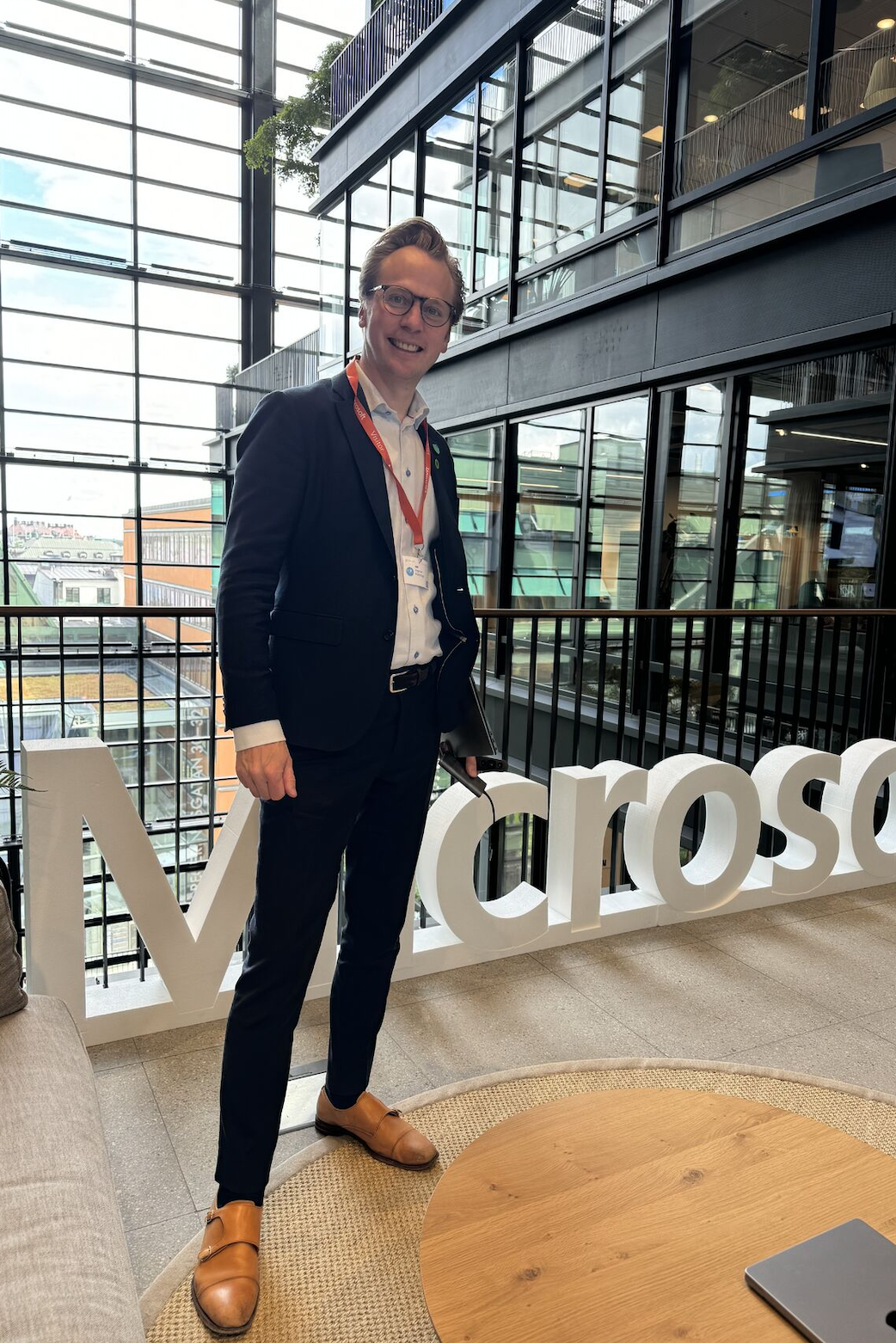
Ingmar Rentzhog
Ingmar Rentzhog is a founder and systems builder working at the intersection of climate action, media, and global accountability. As the Founder and CEO of We Don’t Have Time, the world’s largest media platform for climate action, he has dedicated his work to one central question: how to make climate solutions scale at the speed required by science. With a background in financial communications and technology, Ingmar recognized early that the climate crisis is not only about innovation, but about attention, power, and coordination. His response has been to build communication infrastructure that connects scientists, companies, policymakers, investors, and citizens into a single, visible ecosystem of action.
Through We Don’t Have Time, Ingmar is helping shift climate action from fragmented efforts into collective momentum. The platform amplifies solutions that work, applies public pressure where progress stalls, and creates accountability through transparent feedback mechanisms such as Climate Love and Climate Warnings. His impact lies in moving systems, not just narratives, and ensuring that those driving meaningful change for the planet are seen, supported, and empowered to scale.
“Climate solutions already exist. What we lack is coordinated attention, accountability, and the ability to accelerate what works.”
Ingmar, tell us about how your work intersects with the impact space.
I am the Founder and CEO of We Don’t Have Time, the world’s largest media platform for climate action. My work sits at the intersection of communication, technology, and global systems change. We connect millions of people with companies, leaders, and institutions that are accelerating the shift to a sustainable economy, and we use the force of transparent, public feedback to push laggards to improve.
My team and I focus on one question: How do we make climate action scale at the speed required by science? The answer, for me, lies in communication infrastructure. Climate solutions already exist. What we lack is coordinated attention, accountability, and the ability to accelerate what works.
My role is to build a global amplifier for impact. Not to replace activism, science, or policy but to connect them, scale them, and make sure that the people driving change are seen, supported, and heard.
What is your own definition of impact?
I see impact as collective. The myth of the lone hero slows us down. Real change comes from networks — when many actors amplify each other, align around truth, and refuse to look away from what science demands. Impact is when the system moves.
Ingmar, what do you see as the most important issue to address in the next 10 years?
The biggest challenge of the next decade is closing the implementation gap. We already have the solutions to scale clean energy, phase out fossil fuels, and cool the planet. What we lack is the political will and the governance structures to act at the speed science demands.
To stay below critical tipping points, we need to scale solutions, wind down fossil fuels, and cut short-lived climate pollutants like methane — the fastest lever we have to cool the planet by up to 0.5°C. That is why we launched wedonthavetime.org/buymoretime.
But none of this will move fast enough unless we address the real barrier: the power and influence of the fossil fuel industry. Oil and gas companies still shape policy, delay regulation, and distort public understanding. Over the next decade, we must regulate them, remove their ability to obstruct progress, and align financial and political systems with the public interest.
This is not a technology challenge. It is a governance challenge — and a truth challenge. We must ensure decisions are based on science, not the lobbying power of industries whose business model depends on delay.
What is the greatest challenge you face to scale your impact?
The biggest challenge is noise. Climate solutions are accelerating, but so is disinformation. Many people can’t see the progress that is actually happening — and that creates apathy and resistance at the exact moment we need courage and momentum. At the same time, funding is still not flowing fast enough to the solutions that work, partly because the noise makes it harder for investors to see the real opportunities.

“This is not a technology challenge. It is a governance challenge — and a truth challenge.”
Ingmar, what is your long-term vision and how do you measure & quantify your impact?
My long-term vision is a world where climate solutions spread as fast as ideas on social media — where good actions are visible, rewarded, and contagious. I want We Don’t Have Time to be the global attention engine for climate progress: a platform that accelerates what works, pressures what doesn’t, and connects people to the momentum of change.
We measure impact in several ways:
• Audience reach and engagement across our broadcasts and platform.
• Behavioural responses from companies and institutions that receive Climate Love or Climate Warnings.
• Policy and investment shifts influenced by our community’s actions.
• Real-economy outcomes — such as decarbonisation commitments, methane reductions, or financial reallocations triggered by public attention.
Ultimately, our metric is whether the world moves faster because we exist. And increasingly, we see that it does.
What are some misconceptions you’ve noticed regarding what “impact” is all about?
One major misconception is that impact equals storytelling. Storytelling matters, but without measurable outcomes, it’s just communication. Many companies believe that publishing a sustainability report is “impact.” It’s not unless it changes something in the physical world.
Another misconception is that impact must be perfect before it is worth celebrating. This slows down progress. Most impact comes from iterations, not from flawless strategies. We should reward improvement and momentum — while still demanding honesty.
A third misconception is that impact is individual. People often assume they can only make a difference through personal lifestyle choices. But the most meaningful impact comes when individuals influence institutions — their employer, their municipality, their pension fund, their political leaders. Collective leverage beats personal purity.
Finally, many still believe that impact happens “later.” In reality, impact is happening right now. The transition is already underway. The question is not whether we will transform but how fast.