Top Tier Impact at Climate Week NYC 2025
📍New York City, USA | UN General Assembly Week – September 23, 2025
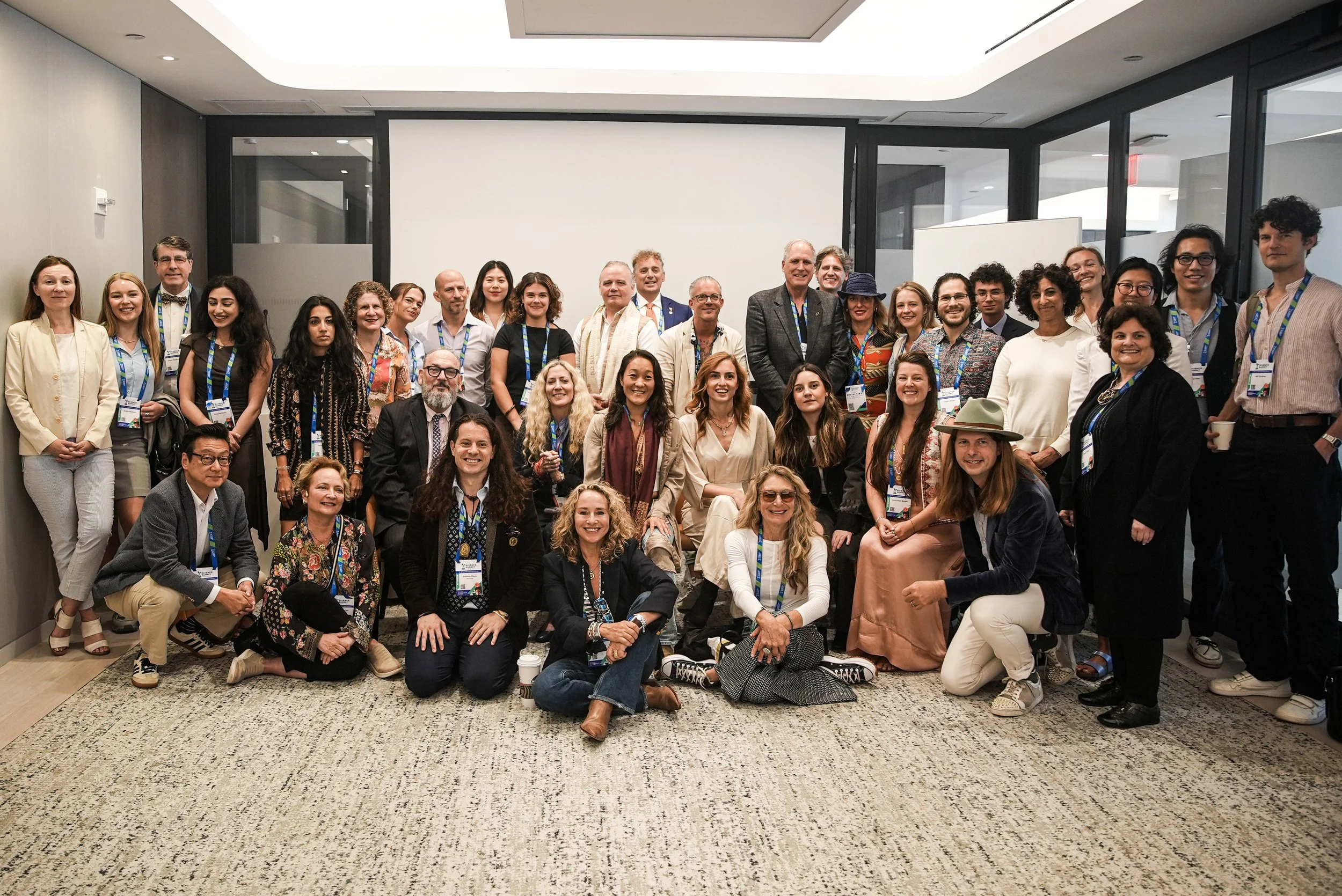
Reimagining the Design of a Nation State with Bhutan’s Drinchengang Regenerative Village
What happens when you dare to ask how a nation can evolve its design?
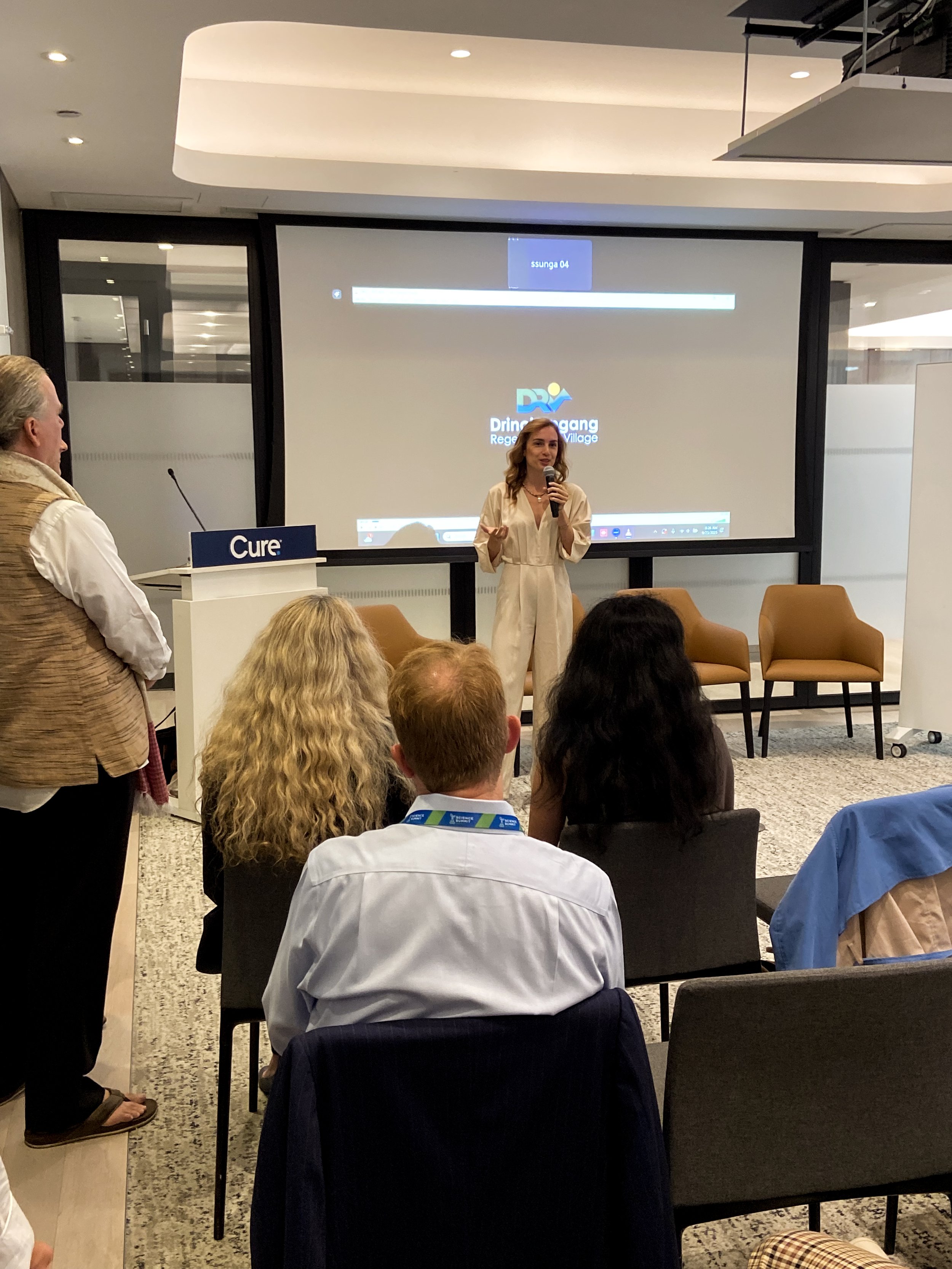
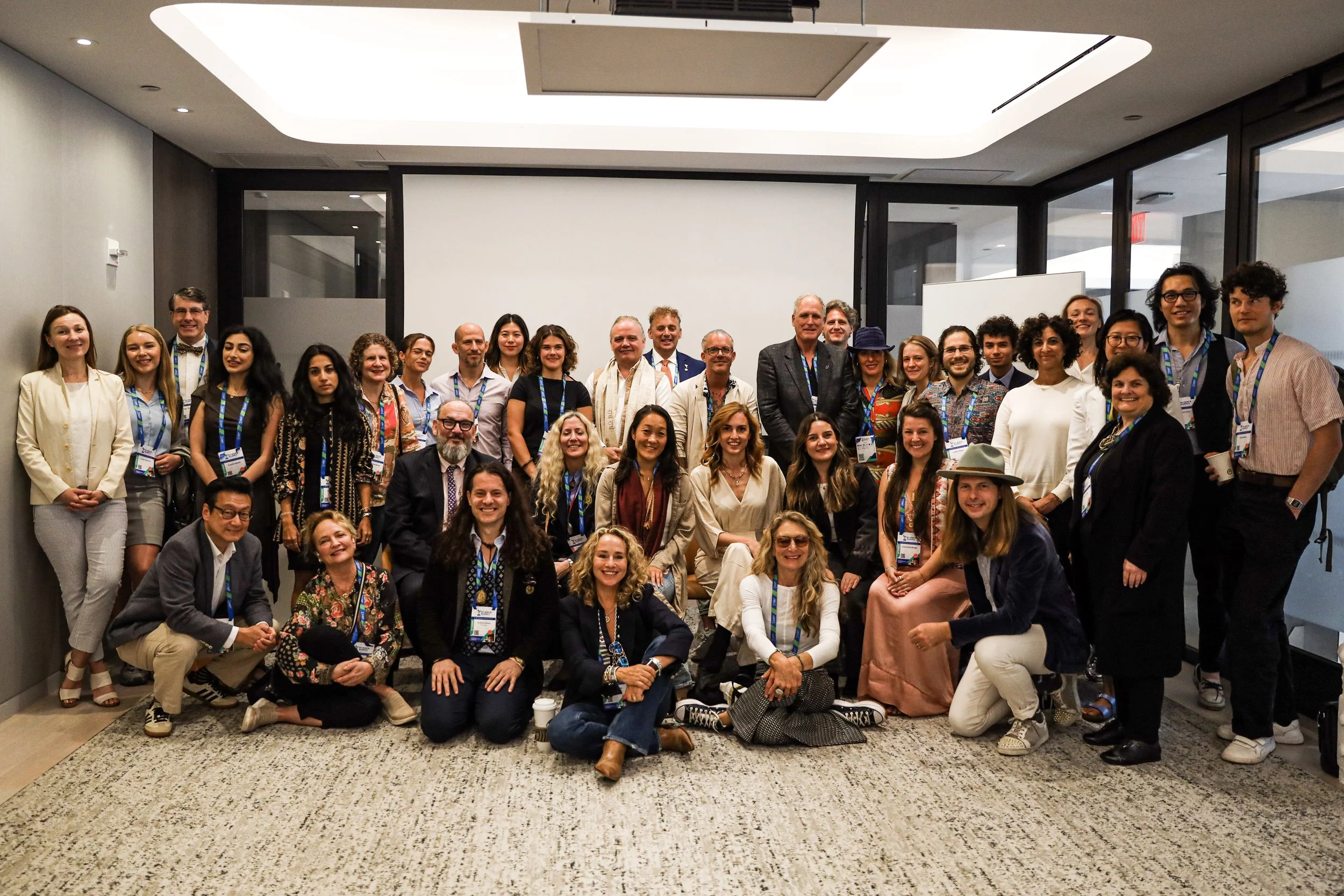
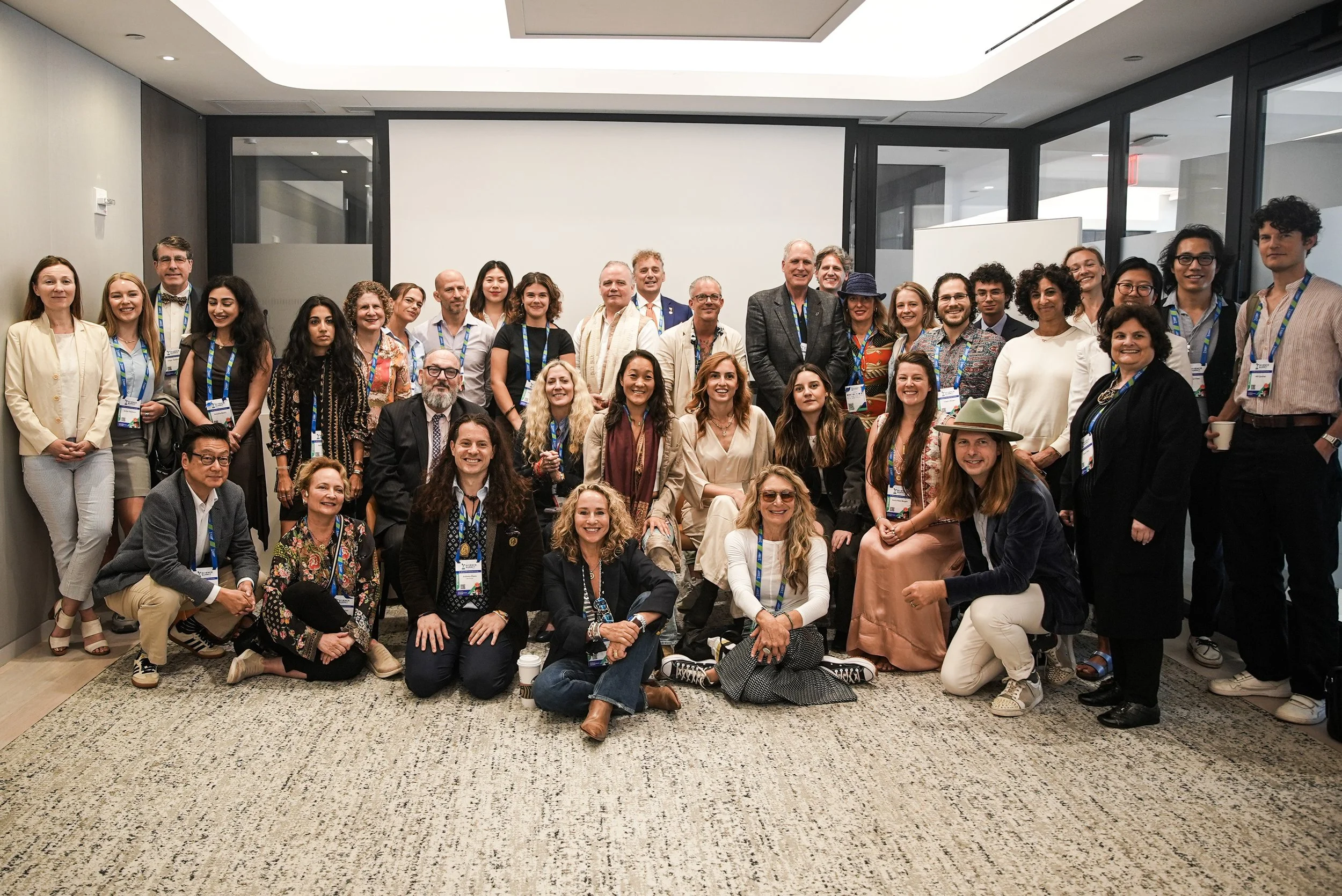
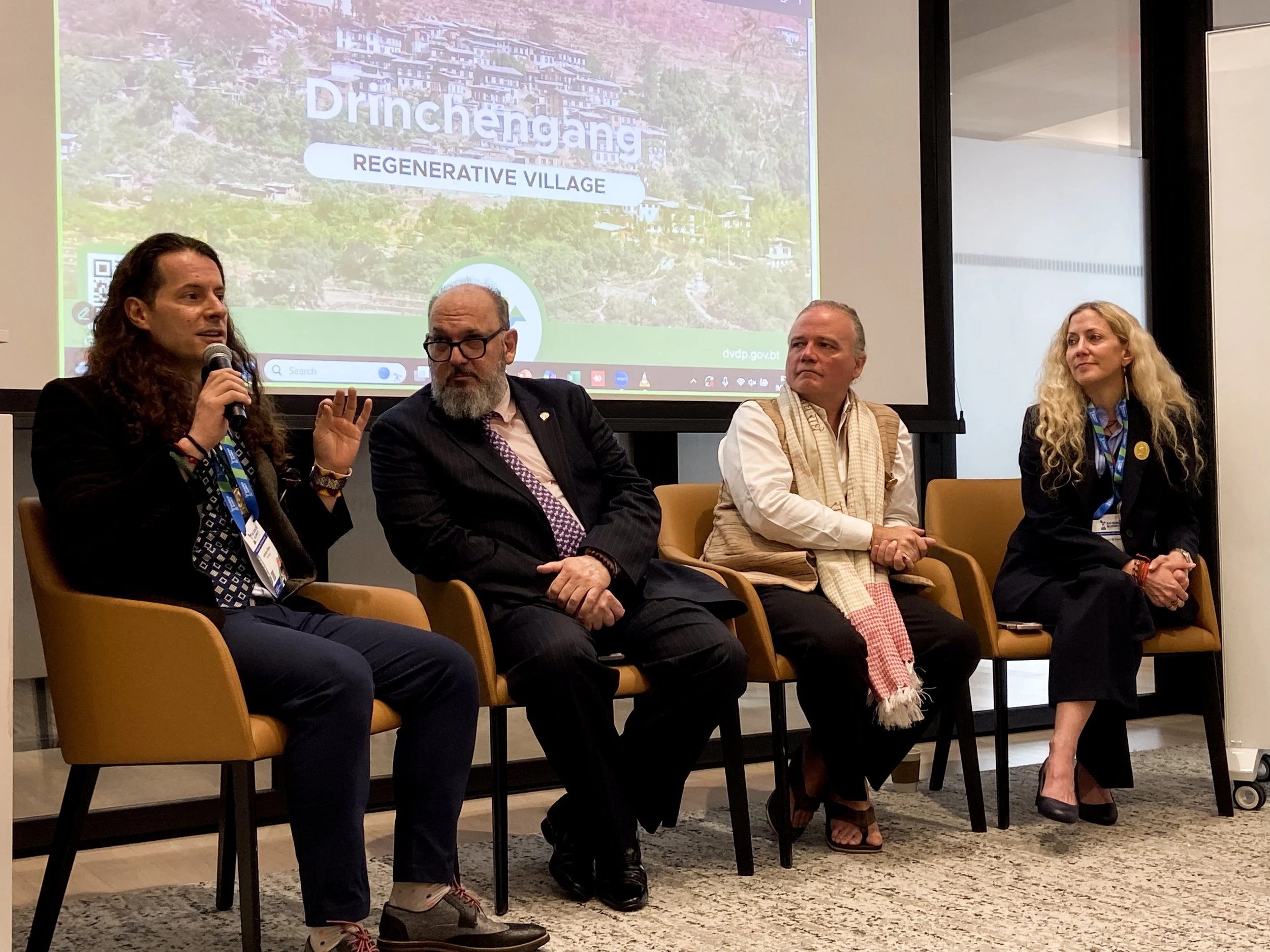
During New York Climate Week, Top Tier Impact convened a high-level, private gathering exploring exactly that question. We didn’t do it alone though, we hosted alongside representatives and collaborators of Bhutan’s Drinchengang Regenerative Village (DRV).
Beyond Theory into Practice
The DRV represents a pioneering initiative by the Kingdom of Bhutan to translate national values into place-based, regenerative reality. It is an experiment in aligning culture, ecology, infrastructure, and finance not as separate silos, but as an integrated system.
The goal is not theory, but practical exploration: how Bhutan’s life-affirming economic philosophy, rooted in Gross National Happiness (GNH) and His Majesty’s vision, can inform the next generation of regenerative development models globally.
The Conversation
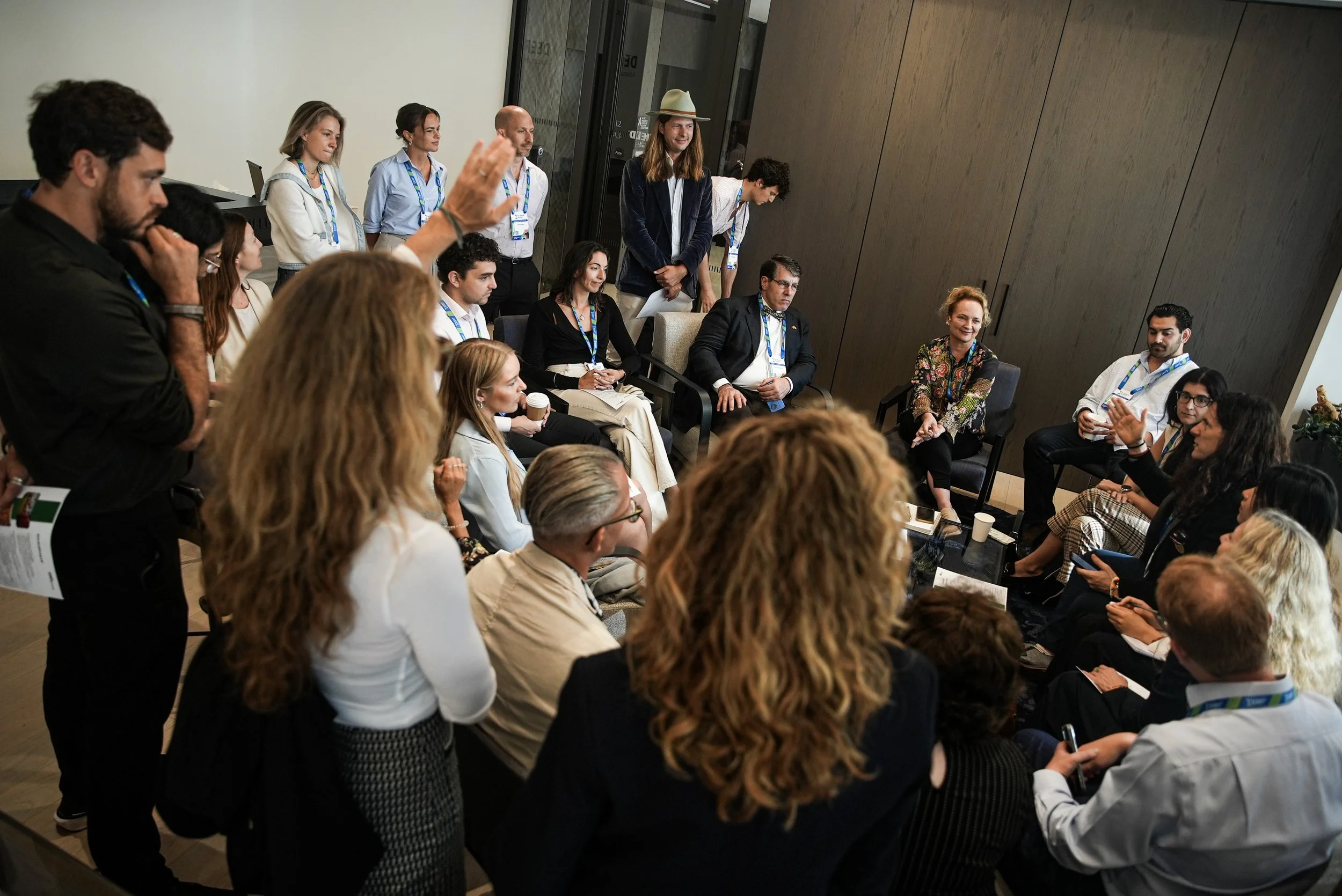
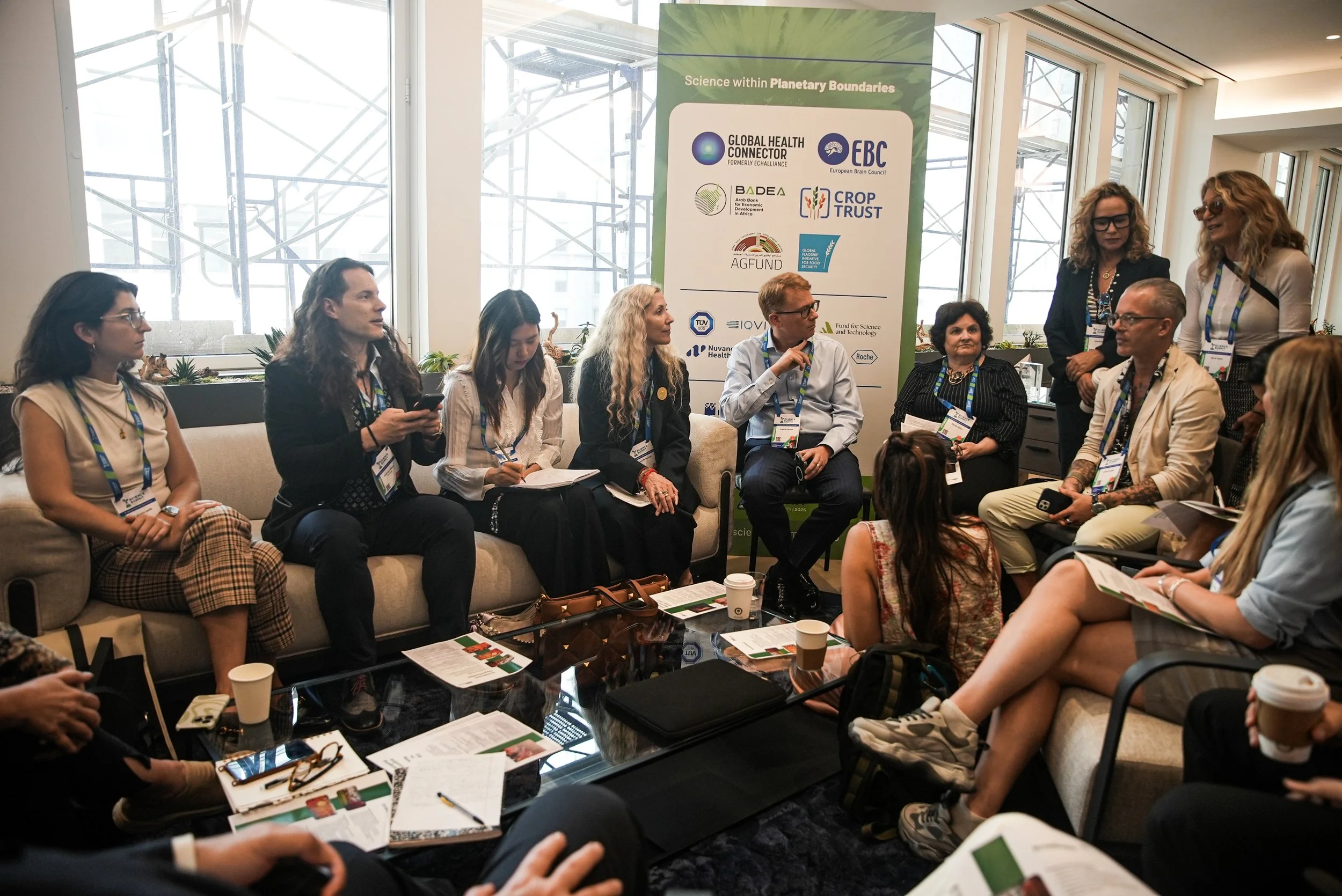
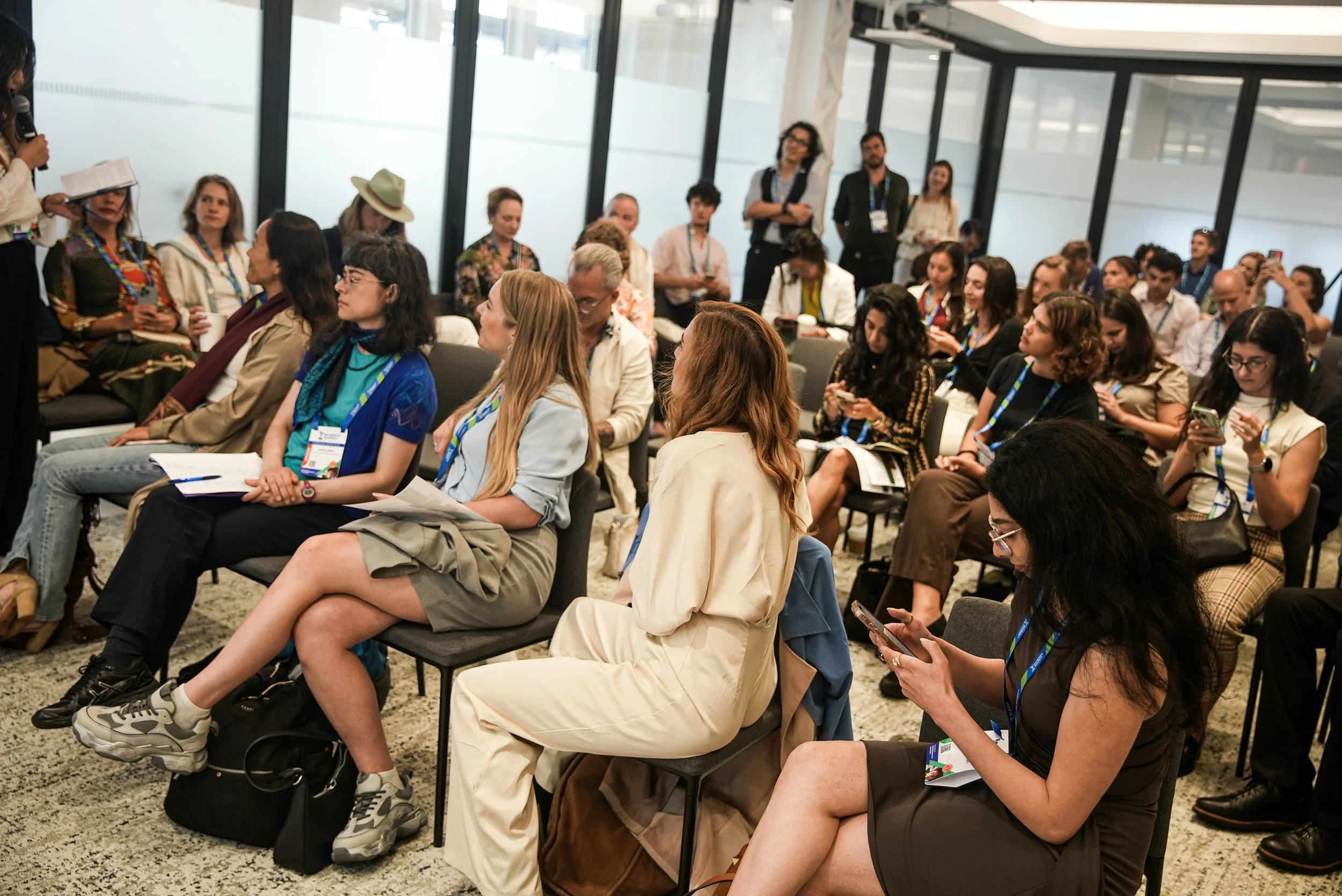
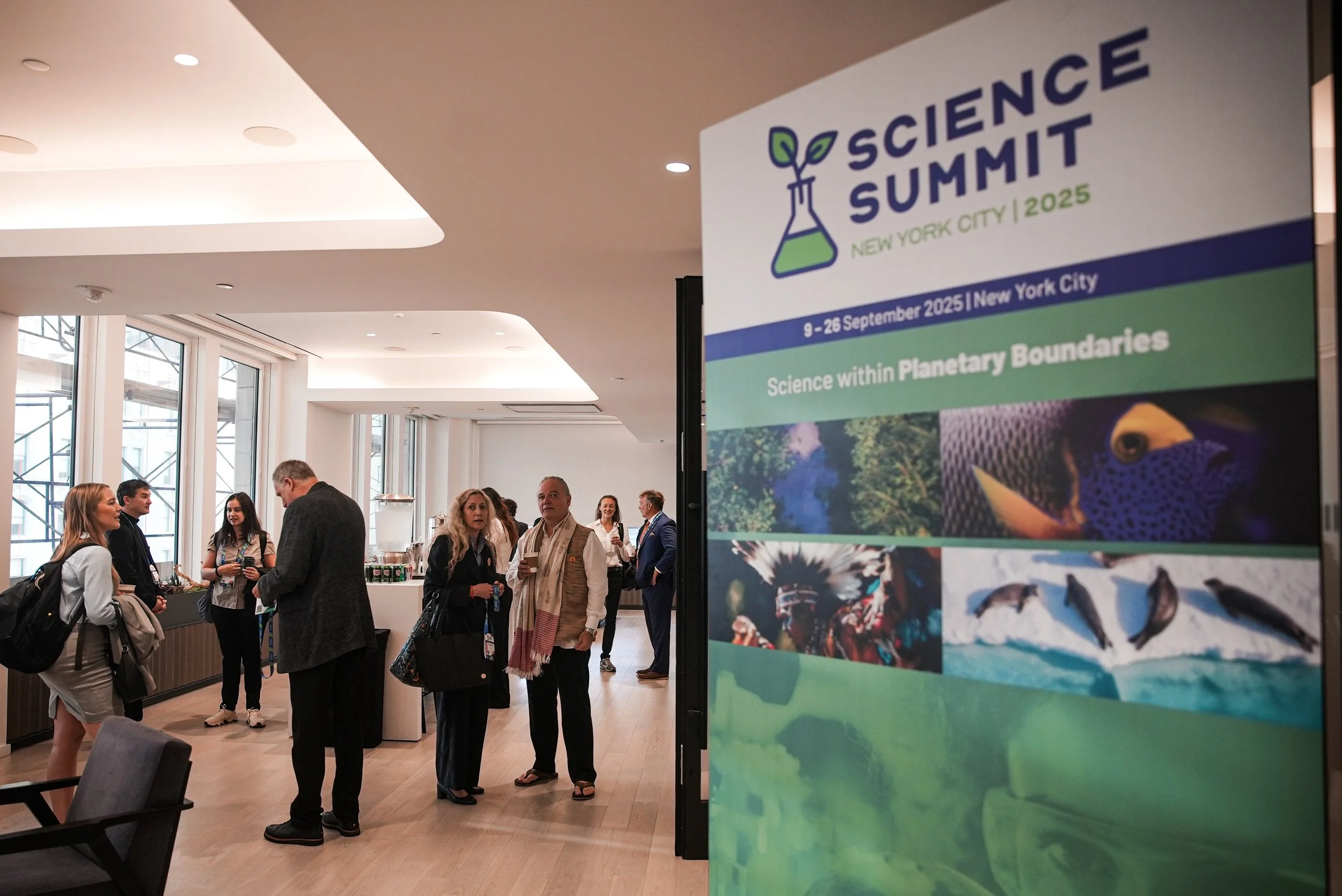
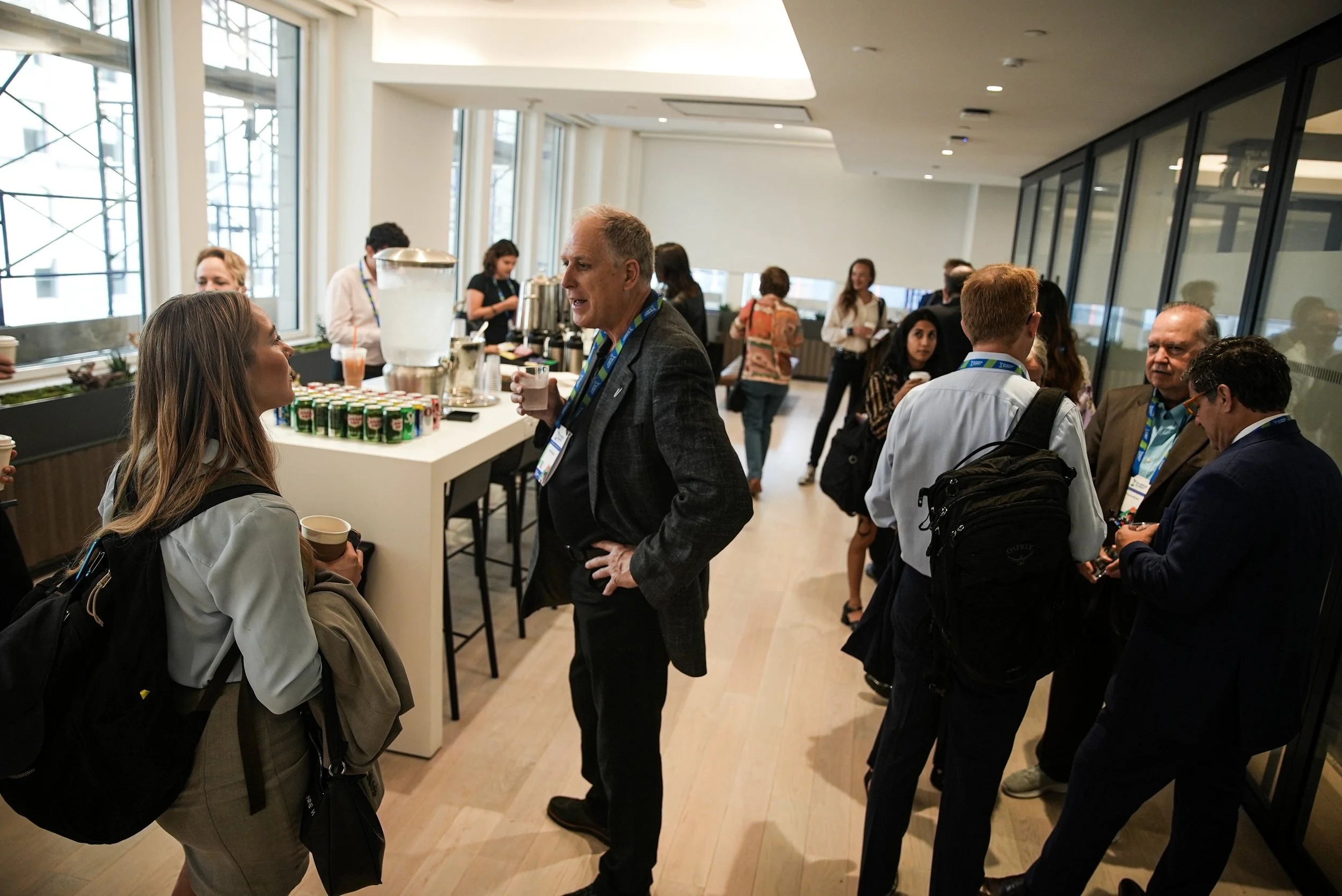
Held in an intimate setting on Park Avenue South, the session brought together global leaders across regenerative development, infrastructure, finance, technology, and governance. Participants explored how DRV could serve as a living blueprint for communities seeking alternatives to extractive growth models, while maintaining cultural continuity and ecological stewardship. The conversation was candid, imaginative, and grounded creating space for participants to engage directly with DRV on what it takes to design systems that prioritize wellbeing, resilience, and shared prosperity.
Core Themes Explored
🌱 Regenerative Development & Cultural Continuity
One of the most resonant discussions centered on how to preserve traditional architecture, rituals, and ways of life while enabling modern, sustainable livelihoods.
Participants examined:
How local commerce and experiential tourism can strengthen cultural identity
Regenerative land use for enhancing biodiversity while supporting income generation
Development for wellbeing and resilience, not just GDP
The conversation underscored that tradition and innovation are not opposites when designed intentionally, they can reinforce one another.
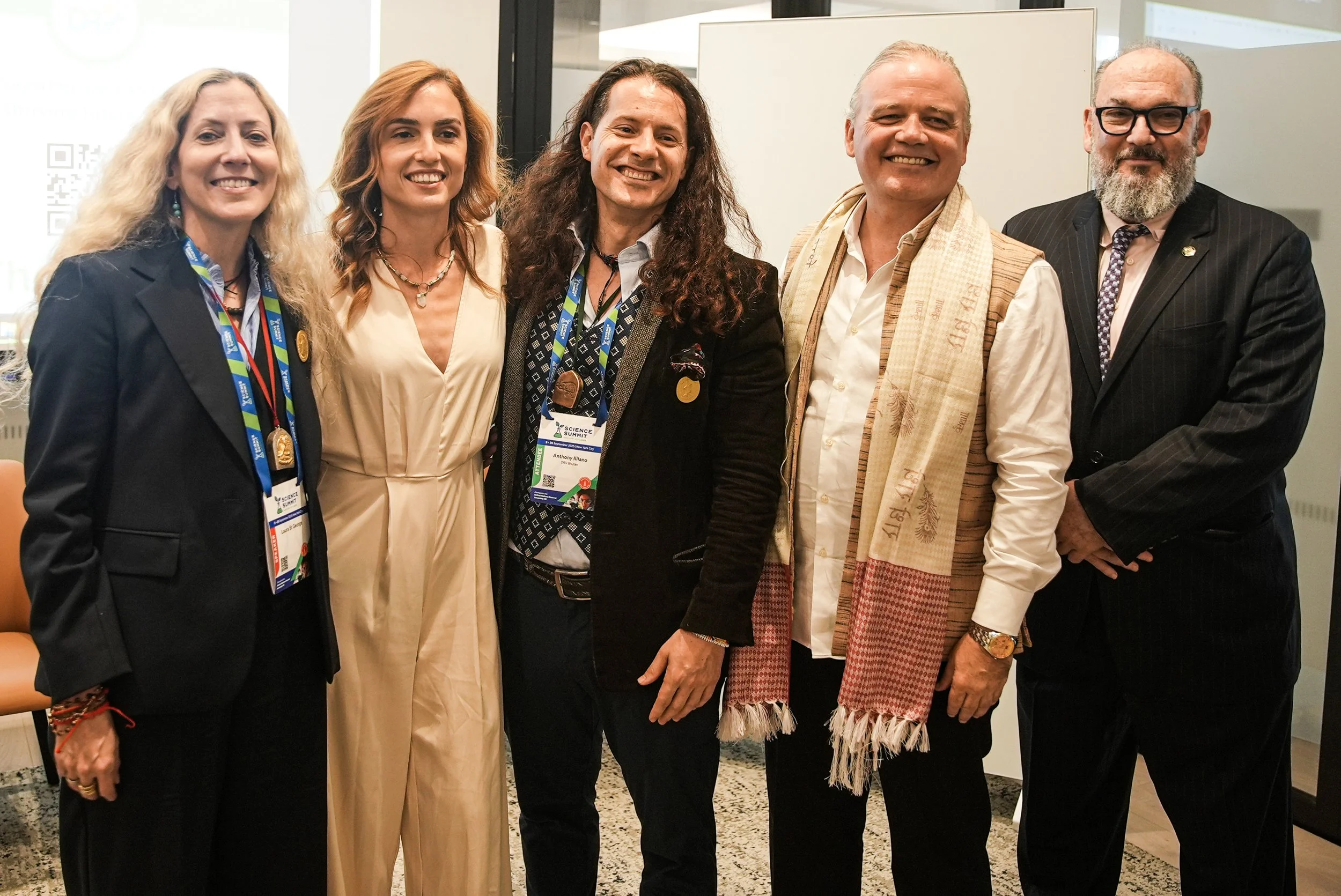
🏡 Decentralized Physical Infrastructure (DePIN)
Another focal point was how next-generation infrastructure can be designed for shared ownership and inclusive prosperity.
Topics included:
Fractional ownership models for housing, energy, and connectivity
Community-aligned approaches to mobile networks, internet access, and digital governance
How decentralized systems can reduce risk while increasing local agency
The group explored how DRV could pilot infrastructure that is not only sustainable, but democratized by design.
💸 Regenerative & Decentralized Finance (ReDeFi)
Participants also engaged deeply on financial architecture asking how capital itself must evolve to support regenerative outcomes.
Key questions included:
How blended finance can safeguard the commons while attracting long-term capital
New investment structures that move beyond extractive returns toward capacity-building
The role of decentralized finance in enabling transparency, participation, and trust
The discussion highlighted a shared belief: finance must serve regeneration, not the other way around.
The session stood out for its systems-level thinking and willingness to challenge conventional development assumptions. Rather than debating incremental improvements, participants engaged with fundamental design questions about governance, ownership, value creation, and purpose.
What emerged was a strong sense that Bhutan’s approach offers not a template to copy, but a principled framework that other regions can adapt to their own cultural and ecological contexts.
How This Aligns with TTI’s Global Strategy
Across its global network of investors, founders, policymakers, and innovators, Top Tier Impact exists to unlock collaboration where complexity is highest and stakes are real.
This UNGA gathering reflected TTI’s core approach:
Bringing together unconventional voices across sectors
Creating trusted environments for high-signal, off-the-record dialogue
Connecting national vision with on-the-ground experimentation
Accelerating regenerative, climate-positive systems at scale
The conversation with Bhutan’s DRV was not a standalone event, but part of TTI’s broader mission to explore what comes next in climate, infrastructure, and economic design