
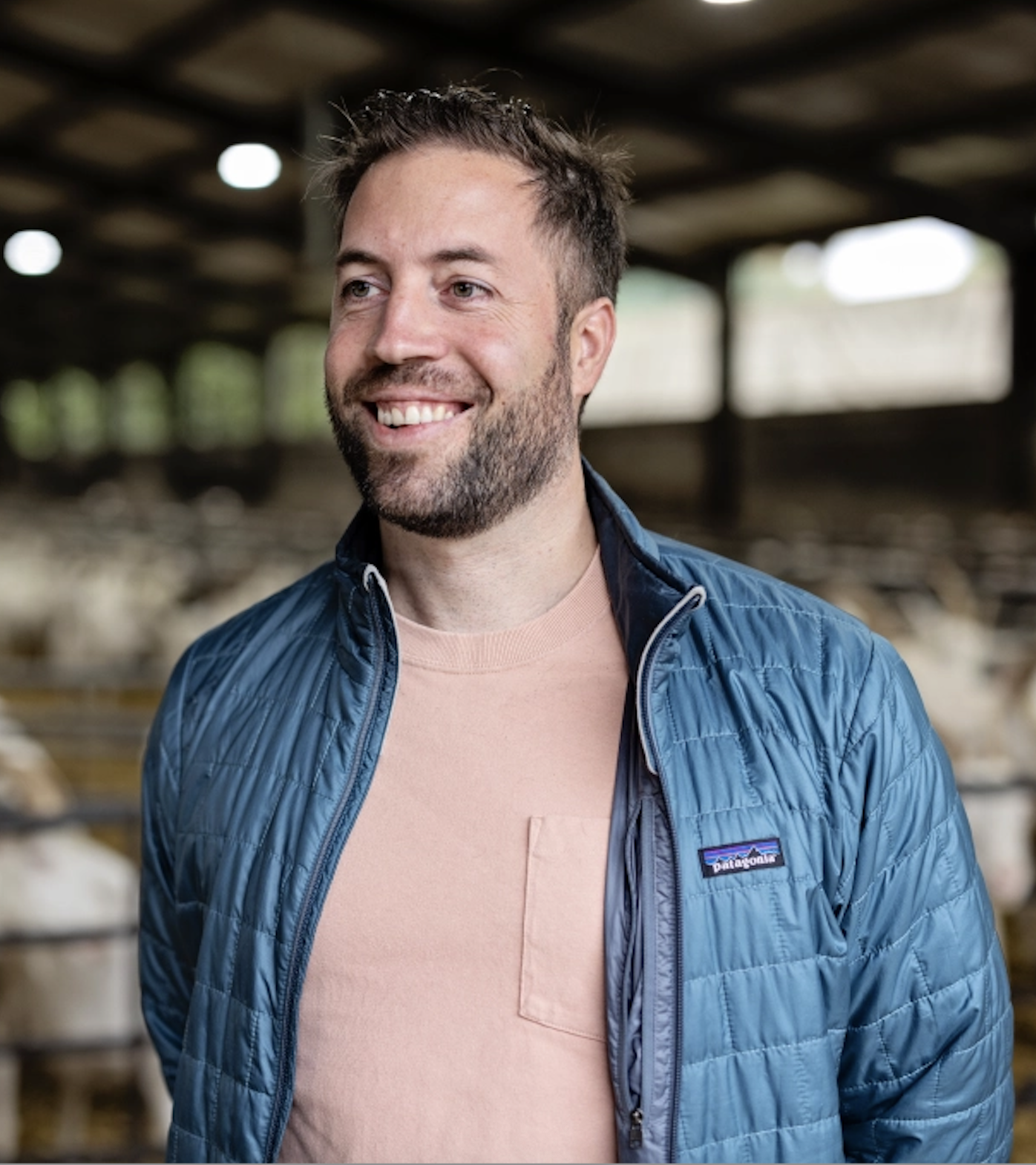
Mark Giller
Mark Giller helps technology-driven businesses turn innovation into commercial growth.
Over the past 15 years, he has build and scaled international B2B business units and businesses across industrial technology, energy transition, mobility, infrastructure, high security systems and sustainability driven ventures (regenerative agriculture, eco-tourism).
His experience spans corporates, scale-ups and venture-building environments across Europe, the Middle East, Africa, the Americas and APAC. Throughout his career, one theme has remained constant: turning ambitious ideas into sustainable commercial outcomes.
Mark served as ambassador at Top Tier Impact in Valencia, Spain and is still strongly connected to the global network as TTI member in the Netherlands.
"Most impact ventures don't fail because the technology is weak. They fail because adoption, execution and incentives are not aligned."
Mark, tell us about how your work intersects with the impact space.
My work sits at the intersection of technology, commercial growth and long-term value creation.
Throughout my career, I've worked with industrial technology companies, manufacturing businesses, energy ventures and sustainability-focused organisations operating in complex international B2B markets.
I've also been involved in venture building, startup mentoring and the development of new business models, including co-founding an impact-driven venture focused on connecting consumers with sustainable multifunctional farms.
Across these experiences, I noticed the same pattern repeatedly: strong technology and good intentions are rarely enough.
The organisations that create lasting impact are the ones that successfully combine innovation with commercial viability, operational execution and stakeholder alignment.
That's why I'm particularly interested in situations where strategy, ownership and execution remain connected over the long term. Real impact happens when responsibility and accountability stay attached to decision-making.
What is your own definition of impact?
Impact is value that lasts.
It's not measured by announcements, intentions or presentations. It's measured by whether something continues creating value years later for customers, communities, employees and investors.
For me, impact is earned through responsibility, accountability and long-term decision-making.
Mark, what do you see as the most important issue to address in the next 10 years?
One of the biggest challenges of the coming decade is aligning long-term capital with long-term responsibility.
We're not short of innovation. We're not short of ideas. We're not even short of investment.
What we often lack is continuity, collaboration cross industry, and connect solutions to the bigger picture.
Challenges such as energy resilience, industrial decarbonisation, infrastructure renewal. Now more important than ever with the rapid rise of AI and increasing pressure on power grids, as well as food security require consistent execution over many years. Yet many financial and governance structures continue to reward short-term outcomes rather than long-term value creation.
Closing that gap requires more than technology. It requires leadership, ownership structures and incentive systems that encourage long-term thinking and shared responsibility.
What is the greatest challenge you face to scale your impact?
The biggest challenge is rarely the technology itself.
In many industrial and infrastructure-related environments, investors, operators, regulators and customers all operate with different priorities, incentives and timelines.
As a result, adoption often becomes more difficult than innovation.
The second challenge is that new solutions are often evaluated using frameworks designed for traditional business models. This makes it harder to justify investment, even when the long-term benefits are clear.
I experienced this firsthand while validating redox flow batteries for a new venture. Although the technology offered a lower total cost of ownership and a longer operational lifetime than conventional alternatives, the higher upfront investment made adoption more difficult. Procurement decisions are often driven by initial capital expenditure rather than lifetime value, creating a barrier for solutions that may ultimately deliver better economic and sustainability outcomes.
Complexity is often underestimated.
Most impact solutions must integrate into existing systems, procurement processes, operational realities and regulatory frameworks. Success depends not only on innovation, but also on execution.
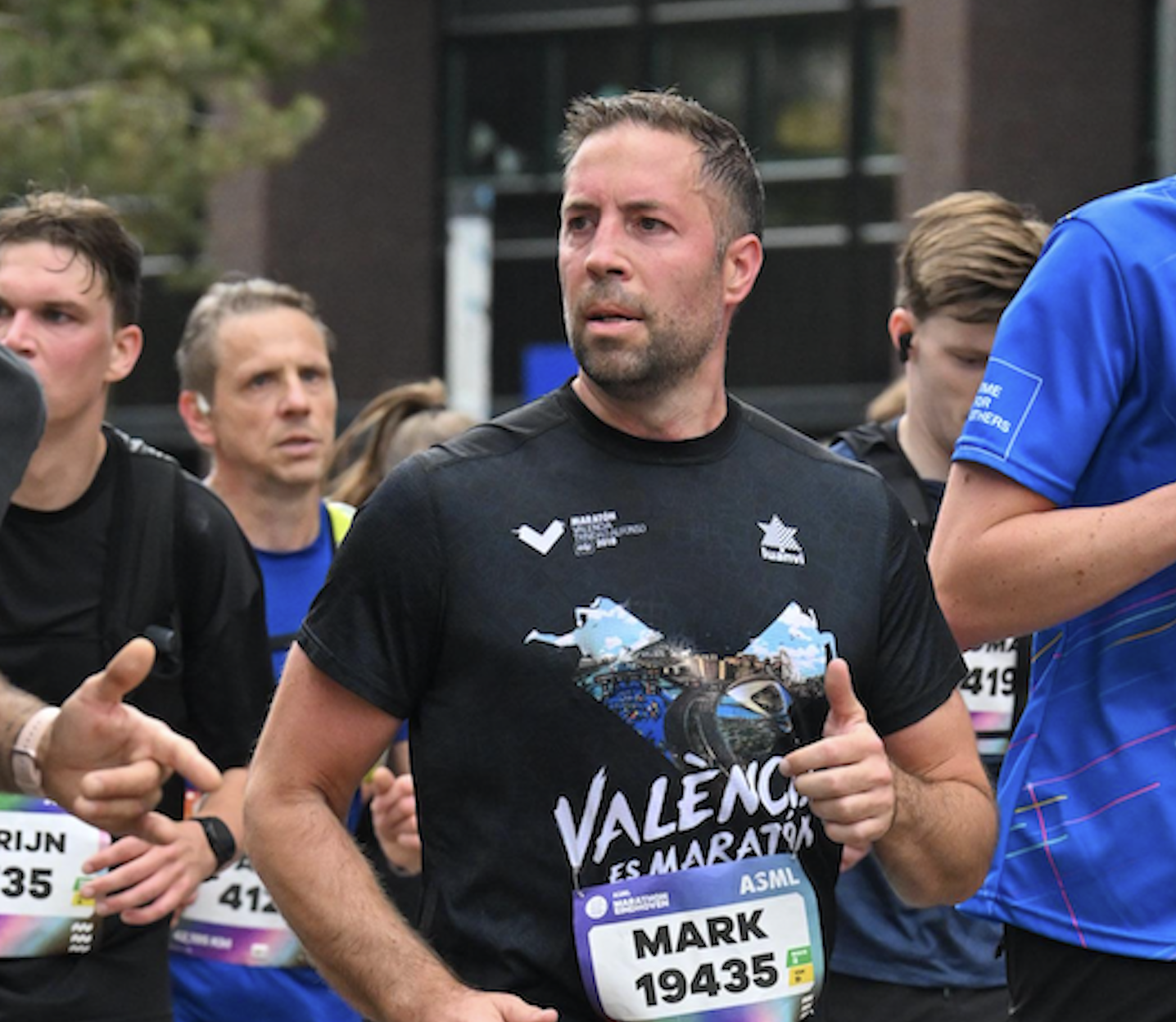
"Technology rarely fails because of engineering. More often, it fails because people, incentives and execution are not aligned. Where leadership plays a huge role in pushing it forward.
Mark, what is your long-term vision and how do you measure & quantify your impact?
My long-term ambition is to help build businesses where commercial success and positive impact reinforce one another.
I am particularly interested in international growth, venture building and leadership roles where I can help organisations scale sustainably over time.
I measure impact pragmatically. Financial resilience comes first, because initiatives that are not economically sustainable rarely survive. Beyond that, I look at whether a business creates lasting value for customers, employees, investors and society. While frameworks such as the Sustainable Development Goals can provide useful direction, I believe impact should ultimately be visible in real-world adoption, measurable outcomes and long-term business performance.
Beyond that, I look at whether organisations become stronger, more trusted and more relevant over time. I look at the quality of decisions made, the alignment among stakeholders, and whether the business creates value that continues long after the initial project is completed.
What are some misconceptions you’ve noticed regarding what “impact” is all about?
One misconception is that impact can exist independently from commercial reality.
In practice, initiatives that depend entirely on subsidies, enthusiasm or short-term momentum often struggle to scale.
Another misconception is that speed automatically equals progress.
In industrial, infrastructure, construction and energy markets, meaningful change often requires patience, trust and sequencing. Success is often constrained not by technology, but by permitting timelines, regulatory changes and limited capacity within municipalities, grid operators, investors and other decision-making bodies. As a result, adoption frequently moves at the speed of the ecosystem rather than the speed of innovation.
A third misconception is that innovation alone creates impact.
Innovation matters, but adoption is what creates results. That’s why it’s better to start with a big problem and find more sustainable solutions that make our world a better place.
Without customers, operational integration and long-term execution, even the most promising technology will struggle to create lasting value.
Get Involved
Interested in connecting with our private global network of investors, founders, and experts building real, scalable solutions? Learn more and apply to join the Top Tier Impact Network and access future convenings, collaborations, and deal flow.